
July 2, 2026
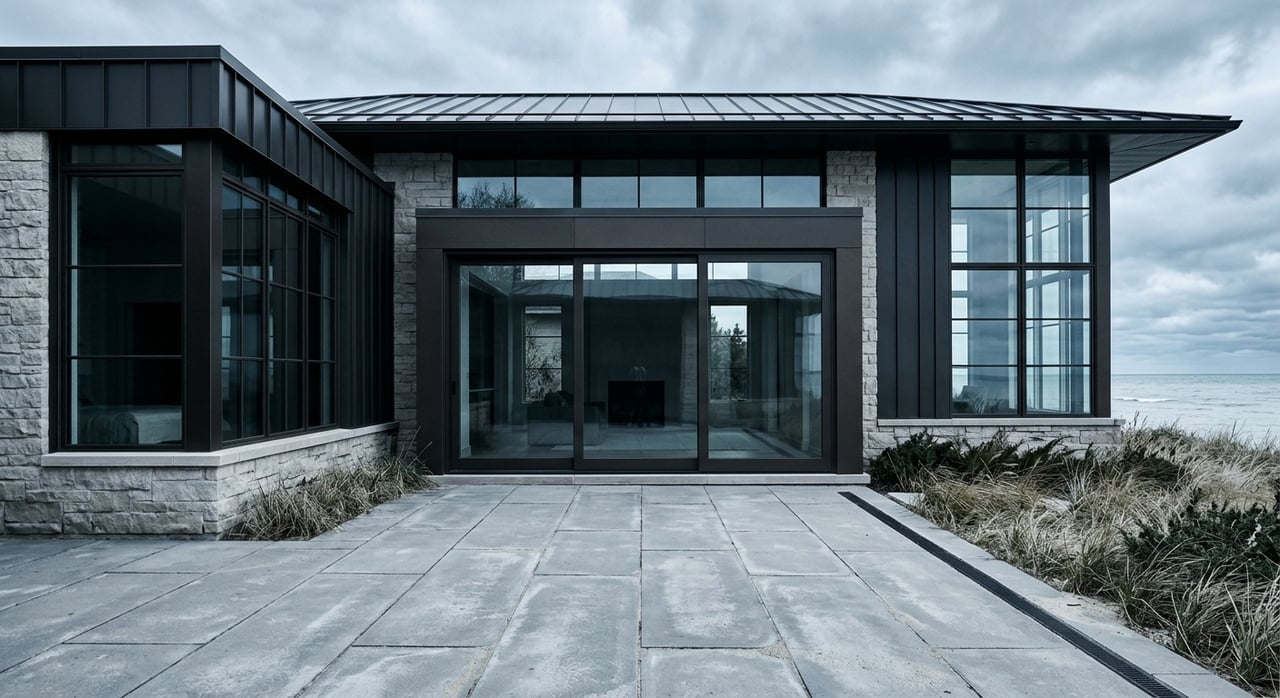
Lakefront living can sound like a dream until you start asking the practical questions. Which beach can you actually swim at? What does daily access look like? And how does living near Lake Michigan in Highland Park shape the kind of home you buy and the upkeep you should expect? If you are exploring Highland Park’s shoreline, this guide will help you understand the beaches, parks, housing context, and ownership tradeoffs that matter most. Let’s dive in.
Highland Park’s lakefront is not just a scenic edge of town. It is a major part of daily life and a public amenity woven into the city’s identity.
According to the Park District of Highland Park, the district serves more than 30,000 residents, manages over 800 acres across 44 park areas, maintains 15 miles of walking and biking paths, and operates four public park beaches. The district also notes that about 10% of Illinois’ Lake Michigan shoreline sits within Highland Park.
That access gets used often. In the Park District’s lakefront master plan update, 95% of surveyed residents said they visit the lakefront at least once a year, and more than 30% said they visit more than 10 times per year.
For many buyers, that helps explain why the lakefront carries such strong appeal. You are not just buying proximity to water. You are buying into a setting where walking trails, views, and outdoor time are part of the local routine.
Highland Park’s four public lakefront properties each serve a different purpose. That makes it easier to match your lifestyle with the part of the shoreline you will actually use most.
Rosewood Beach is Highland Park’s designated swimming beach. It is also the most visited lakefront property among casual visitors.
The site includes a guarded swimming beach, a recreation beach, a nature cove, an interpretive center, a boardwalk, restrooms, and sand rinse stations. Certified lifeguards are on duty during public hours, though swimming hours can change based on weather, water quality, crowd levels, and wave conditions.
If you picture summer mornings by the water, family beach time, or fitness classes near the shoreline, Rosewood is likely the beach you will use most. It also hosts community programming, which adds to its role as a social and recreational hub.
If your ideal lakefront day includes your dog, Moraine Dog Beach & Park is the key destination to know. It is Highland Park’s only dog beach area.
Moraine offers a seasonal off-leash dog beach, walking paths, a sculpture garden, picnic tables, restrooms, and beach access. It is important to know that it is not a swimming beach.
For pet owners, that distinction matters. If dog-friendly access is high on your list, living near Moraine may shape your day-to-day routine more than proximity to a traditional swimming beach.
Millard Beach & Park offers a quieter lakefront experience. The Park District identifies it as a no-swimming and no-wading beach.
That makes Millard a better fit for passive recreation than active beach use. If you want a place to walk, sit, or enjoy the shoreline without the busier feel of a swimming beach, Millard may be the right match.
Parking rules also matter here. The Park District says parking is prohibited on Ravine Drive because the street is too narrow for emergency access.
If your lifestyle leans toward boating or paddlesports, Park Avenue Boating Facility is the shoreline property to know. It supports powerboating, sailing, stand-up paddleboarding, kayaking, fishing, boat storage, and boat launches.
This is the more activity-based side of Highland Park’s lakefront. Rosewood remains the only designated swimming beach, so Park Avenue serves a different role focused on water access and recreation by boat.
Highland Park’s lakefront is active in every season, but summer is when its rhythm becomes most visible. Beach visits, walking, views, and outdoor programming all shape how the shoreline feels week to week.
Rosewood hosts more than just swimming. The venue calendar includes activities such as yoga and family-oriented events, and beach fitness programming runs year-round, with summer sessions on the boardwalk outside the Interpretive Center.
The broader community calendar adds to that energy. The Park District’s Independence Day programming includes Independence Fest, fireworks, a parade, and a pool party, which can make the area feel lively and heavily used during peak periods.
For nearby homeowners, that can be a plus or a planning factor depending on what you value most. A strong event calendar adds vibrancy, but it can also bring more traffic, parking demand, and crowd management during popular times.
Ravinia is not part of the beach system, but it is still an important lifestyle feature for many buyers considering this part of Highland Park. Official Ravinia materials describe the 36-acre park as home to North America’s longest-running outdoor music festival, with more than 100 events in a typical summer season.
Ravinia also notes that it sits in a residential neighborhood, street parking is prohibited, and trains continue to stop at the historic entrance on Metra’s Union Pacific North Line. For buyers, that means nearby living can offer convenient access to a major seasonal destination, along with the traffic and parking patterns that often come with event nights.
If you love the idea of summer concerts and an active local calendar, proximity can feel like a major lifestyle benefit. If you prefer a quieter setting, it is worth paying attention to how close you want to be to those activity centers.
When people talk about Highland Park lakefront living, the conversation often leans toward detached homes. Current MLS snapshot data supports that broader market context.
The trailing 12-month median sales price was $855,863 for detached single-family homes versus $428,550 for attached single-family homes. That does not isolate true lakefront homes, but it helps show the price difference between lower-density and attached housing in Highland Park overall.
For many buyers, this creates two different entry points. Detached homes often align more closely with the classic lake-adjacent lifestyle people imagine, while attached homes can offer a lower-priced way to enter the Highland Park market and enjoy the broader community and shoreline access.
The city’s zoning map also includes both single-family residential districts and multiple-family residential districts. That mix matters because it shows that your options may include different housing formats depending on your budget, goals, and desired level of maintenance.
In lake-oriented markets, value is often tied closely to the water itself. The research in your home search should go beyond square footage and bedroom count.
A key pricing pattern in lake markets is that premiums are usually highest for true lakefront property and tend to decline with distance from the water. In practical terms, shoreline access, views, and water proximity can have a major influence on pricing and buyer demand.
That does not mean every lake-adjacent home fits the same mold. Some buyers prioritize walkability to the shoreline, some care most about private views, and others simply want easy access to parks and trails without paying a premium for direct frontage.
Lakefront living often comes with extra responsibilities. In Highland Park, those responsibilities can be more visible than in inland parts of the city.
The Park District’s Rosewood Beach shoreline project was prompted by near-record Lake Michigan levels and rapid beach erosion. The district has said it continues to plan for a dynamic lakefront with sand movement and shoreline protection needs.
For homeowners, that means the lake is beautiful but not static. Bluff stability, drainage, landscaping, and longer-term shoreline conditions can all become part of the ownership picture.
City permit guidance adds another layer. It advises owners to verify whether a lot is a Lake Bluff or Ravine site because those properties may be subject to steep-slope rules and tree-preservation requirements.
Before you buy, it is smart to think beyond the purchase price. You may also need to plan for access fees, parking rules, changing beach conditions, and added attention to property maintenance and permits.
If you are narrowing your search, it helps to compare shoreline areas based on how you will actually live. A beautiful map pin is helpful, but your daily routine matters more.
Consider these questions as you compare homes and locations:
When you answer those questions honestly, your search usually becomes much clearer. You stop chasing a general idea of lakefront living and start focusing on the version that fits your real life.
Highland Park’s lakefront is one of the North Shore’s defining amenities, but the best fit depends on how you want to use it. If you want a clear plan for comparing homes near Rosewood, Moraine, Millard, or the boating area, HL2R Group can help you weigh lifestyle, pricing, and property considerations with a concierge approach tailored to your move.
Stay up to date on the latest real estate trends.
October 15, 2026
October 8, 2026

October 1, 2026
September 24, 2026

September 17, 2026

September 10, 2026

September 3, 2026

August 27, 2026

August 20, 2026
With combined experience in the industry spanning over two decades, these agents have joined forces to handle all of your real estate needs, specializing in neighborhoods from Chicago’s South Loop all the way into the North Shore suburbs.