
June 18, 2026
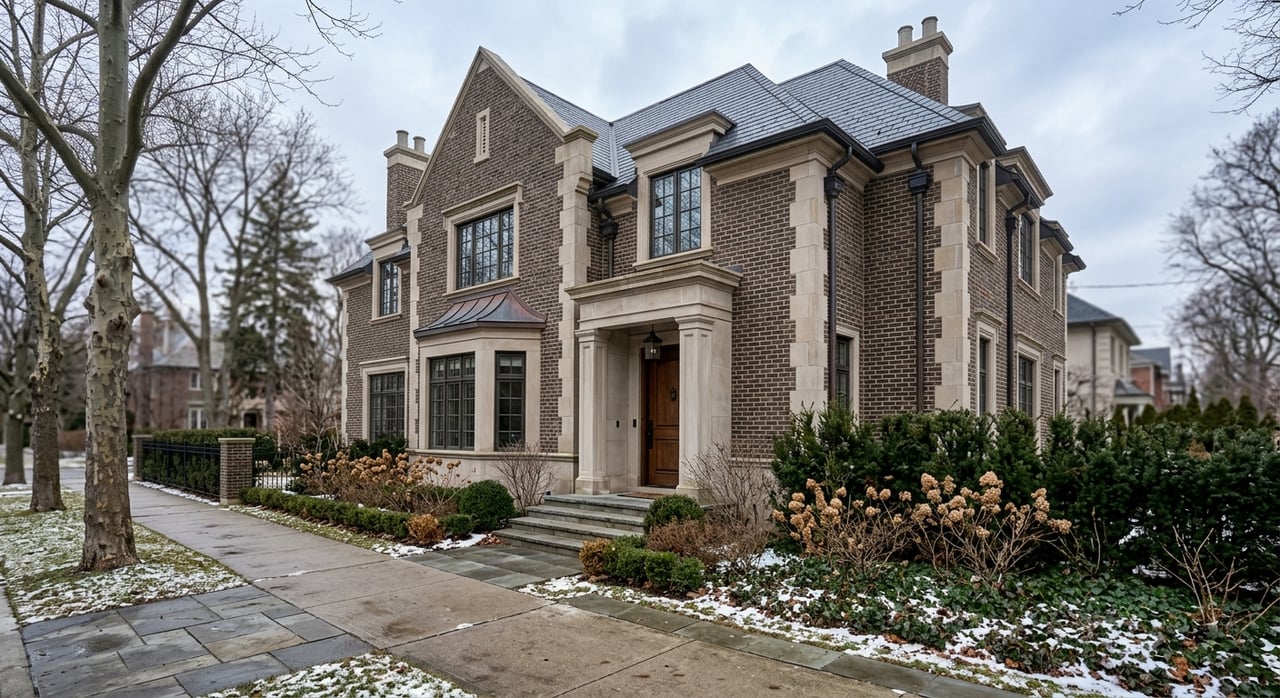
Wondering whether east or west Wilmette is the better fit for your next move? It is a smart question, because in Wilmette, location can shape how you commute, where you shop, how often you get to the lakefront, and what kind of daily rhythm your home supports. If you are trying to narrow your search, this guide will help you compare the trade-offs with more clarity and confidence. Let’s dive in.
The biggest difference is not that one side feels urban and the other feels suburban. Wilmette’s Comprehensive Plan says 93% of the village is zoned for residential uses, with commercial areas concentrated near downtown, transit, and main corridors.
That means the east versus west conversation is really about proximity to key destinations. East Wilmette is more closely tied to the lakefront, Village Center, and major transit nodes. West and inland Wilmette tend to be more removed from those hubs, with strong access to parks and major shopping corridors.
East Wilmette centers around the Village Center, the lakefront, and some of the village’s most recognizable gathering points. The Village describes the Village Center as Wilmette’s historic center, with a focal point at Wilmette and Central.
This area also has heavy foot traffic and sits next to the Metra UP-North Line and Pace bus routes. For many buyers, that creates a more walkable day-to-day experience, especially if you want easier access to errands, dining, and transit.
If walkability is high on your list, east Wilmette usually stands out first. The Village Center, Linden Square, and nearby lakefront areas place you closer to shops, restaurants, and train access.
The CTA Purple Line begins at Linden in Wilmette and runs to Howard through Evanston, with weekday rush-period express service continuing to the Loop. Linden is also an accessible station with Park & Ride.
CTA lists the Linden Park & Ride at 349 W. Linden Ave. with 328 spaces at $4.00 per 24 hours. Metra’s UP-N line also includes Wilmette as a stop, connecting riders between Ogilvie Transportation Center and Kenosha.
For many buyers, the lake is the defining east-side feature. Gillson Park is the lakefront anchor, with 60 acres on Lake Michigan that include two swimming beaches, picnic areas, tennis courts, a dog beach, kayak and SUP access, and Wallace Bowl.
The shoreline system also includes Langdon Beach. The Park District notes ongoing shoreline work there focused on protecting the beach and bluff while restoring access.
East Wilmette also puts you closer to several established commercial districts. Downtown Wilmette is the village’s central business district and includes many restaurants and specialty stores.
Linden Square serves neighborhood residents and Purple Line commuters. Plaza del Lago adds another distinctive shopping destination on the east side of the village.
West Wilmette and inland areas often appeal to buyers who want a quieter residential setting while staying connected to parks and larger shopping corridors. This part of town is still clearly Wilmette, but your day-to-day patterns may be more car-based depending on your exact address.
That does not mean west Wilmette lacks local character. It simply means the main transit and downtown nodes are generally farther east, while many inland blocks are oriented around neighborhood streets, parks, and retail corridors.
If your ideal weekend includes open green space, playgrounds, or athletic facilities, west and inland Wilmette offer strong park access. The Wilmette Park District maintains 314 acres of parks villagewide, including 13 playgrounds and 2.5 miles of shoreline.
Inland recreation assets include West Park, Centennial Park, Mallinckrodt Park, and Thornwood Park. So while the east side has the lakefront, the inland side offers broad park options across the village.
West-side buyers often value convenience to larger shopping areas. The Village says the West Lake Avenue and Skokie Boulevard districts include Edens Plaza, the village’s largest shopping center and the area with the most national retailers.
That can make routine shopping feel simple and efficient, especially if you prefer to drive rather than walk for errands. The Green Bay Road District also runs the length of Wilmette and connects North Shore communities.
One useful nuance is Ridge Road. The Village describes it as a historic district with locally owned restaurant, retail, and service businesses.
So west and central Wilmette are not just about car trips and large retail centers. Depending on where you look, you may still find a more neighborhood-scale commercial feel.
This is one of the most important parts of any Wilmette home search. Broad labels like east and west are helpful, but they do not tell the full story of lot size, home scale, or redevelopment potential.
Wilmette’s 2014 zoning rewrite divided the former R1 district into nine sub-districts, and the village now has 21 zoning districts and sub-districts in total. That level of detail reflects how much housing conditions can vary from one block to the next.
The village’s zoning tables show minimum lot areas of 15,000 square feet in the R district, 10,000 square feet in R-A, and 5,000 to 8,400 square feet across the R1 sub-districts. In practical terms, that means lot size and yard space are highly address-specific.
A careful way to think about it is this: east-side homes may often feel more compact and walkable, while some inland blocks may offer more usable yard area or rebuild flexibility. But because Wilmette zoning is so granular, you should verify that by property rather than assumption.
Historic character also appears on both sides of town. Wilmette’s Historic Preservation Resources describe the village’s character through features like single-family residences, brick-paved and tree-lined streets, period street lights, and proximity to Lake Michigan.
The village lists three National Register Historic Districts: Village Center, Oak Circle, and Ouilmette North. Its landmark inventory also includes properties on both lake-adjacent and inland streets, including areas near Ridge Road.
The best fit depends on how you actually live each day. Instead of asking which side is better, it helps to ask which side supports your routines with less friction.
Here are a few practical ways to frame your search.
In Wilmette, the smartest search strategy is to get more specific than east or west. Because zoning, lot dimensions, historic context, parks, and commercial districts vary so much, two homes only a few blocks apart can offer very different lifestyles.
The village offers an address-based Community Portal and interactive map viewer, which can help confirm zoning and nearby amenities parcel by parcel. That kind of detail matters when you are deciding between walkability, yard space, commute patterns, and access to recreation.
A strong home search is not about picking a side too early. It is about matching the right block, home, and daily routine to your goals.
If you want help comparing specific Wilmette homes through the lens of commute, lifestyle, lot size, and long-term fit, HL2R Group can guide you through the details with a clear, concierge-style approach.
Stay up to date on the latest real estate trends.
August 13, 2026
August 6, 2026
August 6, 2026
July 23, 2026

July 16, 2026
July 9, 2026
July 2, 2026
June 25, 2026
June 18, 2026
With combined experience in the industry spanning over two decades, these agents have joined forces to handle all of your real estate needs, specializing in neighborhoods from Chicago’s South Loop all the way into the North Shore suburbs.