
February 5, 2026
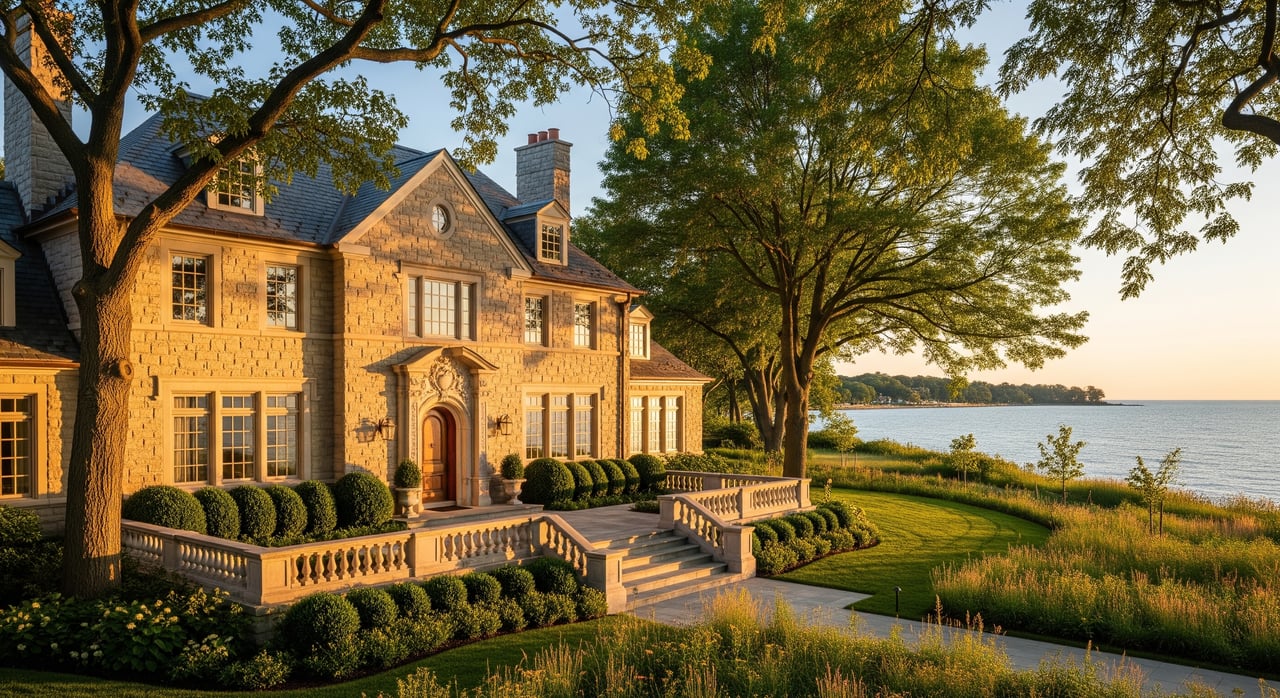
Picture an early evening walk along Lake Michigan, kids biking past tree-lined blocks, and a quick stop in a cozy downtown for dinner before your train ride the next morning. If you’re weighing a move from Chicago or another North Shore suburb, you want a clear sense of what daily life actually feels like. This guide gives you a grounded look at Winnetka’s neighborhoods, housing, schools, parks, downtown, and commute, plus who it tends to fit and what tradeoffs to consider. Let’s dive in.
Winnetka is a small, established village on Chicago’s North Shore with a population around 12,000. It sits on Lake Michigan and is primarily residential, with a compact, walkable downtown. You’ll find an active park district, engaged civic groups, and a calendar of community events that shape local life.
The village’s socioeconomic profile trends higher than county and state averages. Many households choose Winnetka for a residential setting close to the lake, access to public schools, and a calm day-to-day rhythm. Most errands and routines happen close to home, while bigger entertainment and shopping often mean a short drive to nearby hubs.
Winnetka’s housing stock is dominated by single-family homes on leafy streets. Lot sizes and home sizes vary, but you’ll see many older, well-built houses from the early to mid-1900s alongside high-end newer construction on infill lots. Closer to downtown and the train, you’ll find some condominiums and townhomes. Multifamily options are limited compared with more urban suburbs.
Architecture is a highlight. Expect Colonial Revival and Tudor as well as Prairie and Craftsman influences. You will also see substantial custom homes from multiple eras. Historic preservation and zoning can guide what you can and cannot change on a property, so it’s smart to review village planning and preservation guidelines early if you plan to renovate.
Winnetka is one of the higher-priced markets on the North Shore. Single-family homes often trade well above the regional average, and inventory can be tight in sought-after locations. Condos and townhomes can be more accessible entry points, but they remain relatively expensive compared with many suburbs. Well-located homes may move quickly, especially in the spring and summer when more listings hit the market.
Winnetka’s lakefront is a defining feature. Several beaches and shoreline parks offer swimming, walking, and seasonal events. Access rules, hours, and parking are managed by the village and park district, and requirements for passes can change seasonally. Plan to check current policies if beach time is a priority.
Beyond the lake, neighborhood parks, fields, and playgrounds are well distributed. Families use them daily for jogging, dog-walking, and after-school play. Youth sports are popular, and you’ll find options for baseball, soccer, tennis, and more. Adult recreation leagues and private clubs complement park-district programming. Nearby forest preserves and nature areas broaden your options for hiking and outdoor programs.
The lifestyle leans outdoors in warmer months. Evenings and weekends often revolve around beach time, bike rides, and pickup games in the parks. Away from downtown, the village feels quiet and residential.
Downtown Winnetka is compact and pedestrian-friendly. It centers on local boutiques, cafes, services, and neighborhood restaurants. You can grab a coffee, pick up essentials at local markets, and find a spot for a relaxed dinner without leaving the village.
Nightlife is low-key. For broader shopping or late-night options, many residents drive to Evanston, Northbrook, or into the city. You’ll find local medical clinics and specialty practices in and near Winnetka, with major hospitals accessible across the North Shore and Chicago.
Public schools are a common reason families choose Winnetka. Local elementary and middle schools serve the village, and students typically feed into New Trier Township High School District 203. Because boundaries can cross village lines on the North Shore, it’s wise to verify current maps and enrollment details directly with the districts.
Private and parochial options across the North Shore offer additional choices for families seeking independent or faith-based education. Outside the classroom, the park district, library, and community centers anchor youth programming. Expect summer camps, classes, athletics, and events throughout the year. With beaches, playgrounds, and bike paths close by, it’s easy to keep kids active without a long drive.
The village is served by Metra’s Union Pacific North line, with a Winnetka station providing service to downtown Chicago. Depending on express or local trains, commute times commonly range from about 30 to 50 minutes (check current Metra schedules for exact times). Many residents take advantage of this for a predictable commute.
By car, major routes include Green Bay Road and Sheridan Road. I-94 is a short drive for regional travel. Rush-hour traffic can slow commutes, so plan accordingly. O’Hare and Midway are reachable by car, with travel time dependent on traffic and route. Winnetka does not have CTA rail service, though regional buses connect to nearby transit hubs.
Walkability is highest near the train station and downtown. Most residential areas are car-dependent for daily errands, though sidewalks and paths support walking, jogging, and biking for recreation.
Winnetka typically attracts buyers who value a residential setting with lake access and a small-town downtown, along with proximity to commuter rail. Professionals commuting to Chicago, families prioritizing public-school pathways, and downsizers who want convenience are all common profiles.
Home prices in Winnetka are on the higher side for the region. Property taxes are also higher than many areas in the county. Older homes can come with ongoing maintenance and updates. Condos and townhomes have HOA fees to consider. Because inventory can be constrained, especially for updated properties in central locations, prepping early helps you move quickly when a good match appears.
Before you start touring, use this quick checklist:
Winnetka is well suited to buyers who want a quiet, lakeside suburb with strong civic life, neighborhood parks, and a walkable downtown core. The Metra line supports a predictable commute to the city, and the lakefront shapes everyday routines in warmer months.
The tradeoffs are real. Housing and taxes are higher than many suburbs. Rental and entry-level options are limited. Nightlife is minimal, and older homes can require significant upkeep or thoughtful renovation within village guidelines. If you value calm streets, outdoor access, and a community-driven pace, Winnetka delivers.
If you’re exploring a move, you do not have to do it alone. The right local partner can help you understand block-by-block differences, time the market, and position your offer with confidence. Reach out to the HL2R Group for a concierge plan tailored to your goals.
Stay up to date on the latest real estate trends.
June 18, 2026
June 11, 2026
June 4, 2026
May 28, 2026

May 21, 2026

May 14, 2026

May 7, 2026
April 23, 2026
April 16, 2026
With combined experience in the industry spanning over two decades, these agents have joined forces to handle all of your real estate needs, specializing in neighborhoods from Chicago’s South Loop all the way into the North Shore suburbs.