
January 15, 2026
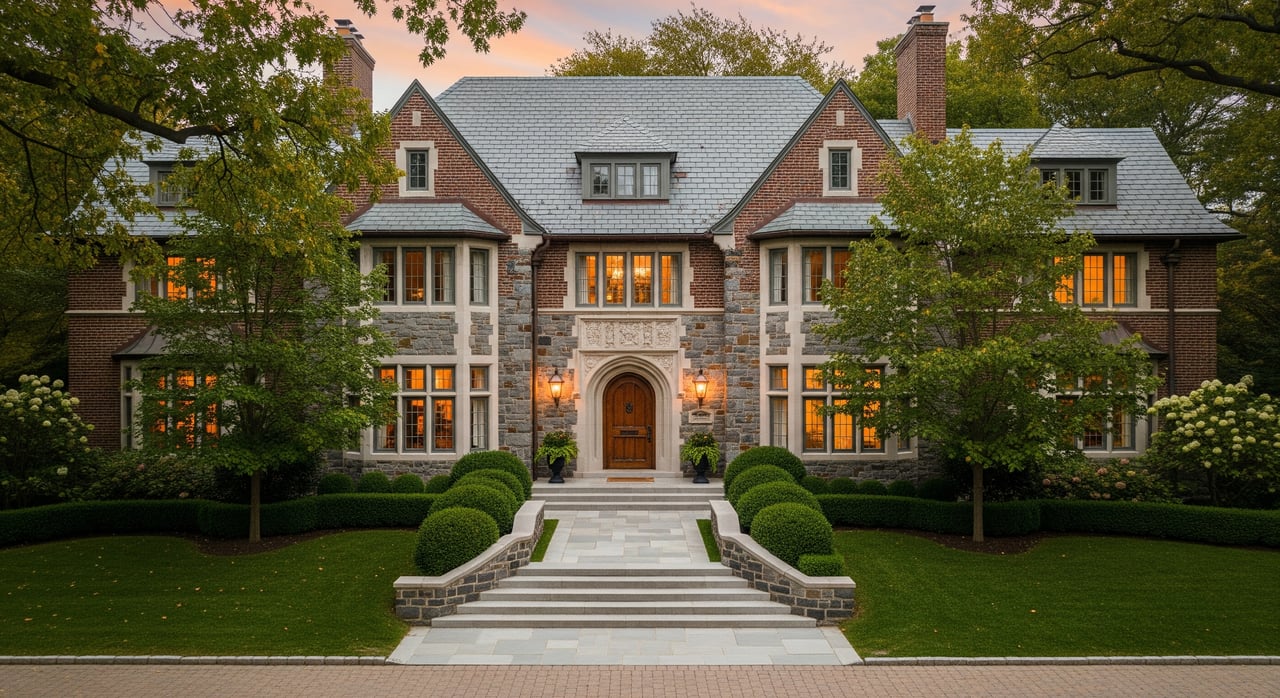
Pricing a home in Winnetka is not one-size-fits-all. Two properties a few blocks apart can sell at very different numbers. You want a price that stands up to scrutiny and attracts serious buyers fast. In this guide, you’ll learn how to build a Winnetka-specific comp set, account for lake and lot premiums, and choose a strategy that minimizes days on market. Let’s dive in.
Proximity to Lake Michigan is one of the biggest pricing drivers. Lakefront and lake-view homes tend to command the highest premiums. Being one or two blocks from the water often adds meaningful value compared to inland locations. Treat the lake as a category in your comps and use nearby sales to estimate the premium for your block and amenity set.
“East” Winnetka, closer to lakefront parks and beaches, often sells at a premium versus interior sections when other factors are similar. Micro-neighborhood identity and walkability to parks or Metra can also matter. Focus your comps tightly by subarea, then expand gradually when sales are limited.
Lot size is a pronounced factor in Winnetka. Wider or deeper lots with usable yard space offer more value, especially if they support quality outdoor living or future expansion. Orientation can matter too. A sunny, well-situated yard is appealing and can support a higher price. In areas with active redevelopment, separate the land value from the structure to understand how much of the price is driven by the lot.
Winnetka blends historic homes and newer custom builds. Many buyers appreciate original architectural details and mature streetscapes. Others prefer modern layouts, high-efficiency systems, and new finishes. Updated vintage properties can capture a strong premium when key systems and primary rooms are renovated. Newer builds often lead the market on a price-per-square-foot basis because they deliver current design and functionality.
Open-plan kitchens, renovated primary suites, and updated mechanicals reduce buyer risk and increase appeal. Buyers respond to move-in-ready homes. You can quantify that appeal by reviewing recent sales where similar updates were completed and comparing against unrenovated properties in the same micro-market.
A defensible list price starts with a disciplined comp process adapted to local conditions.
Begin inside the village limits. For lake-adjacent homes or unique streets, keep comps very close, ideally within 0 to 0.5 miles. If you need to expand, look to nearby North Shore villages with similar lot sizes and build eras, such as Kenilworth or Glencoe, and document any location adjustments.
Use the most recent 6 to 12 months of closed sales whenever possible. For larger custom homes with fewer transactions, you may extend to 12 to 24 months, with more weight on recent closings. Include active and pending listings to understand current pricing expectations and offer momentum.
Prioritize apples-to-apples comparisons in this order:
Establish a baseline price per finished square foot using your closest comps. Then apply adjustments for lot size, lake proximity, condition, layout, and amenities. For unique features, use a paired-sales approach where you find two sales that differ mainly on the feature in question. Document how you derived each adjustment and why certain comps carry more weight.
Your Winnetka comp set should include:
For raw data and parcel details, confirm measurements and history with the Cook County Assessor. Use your local MLS for the most accurate recent sales, actives, pendings, and days on market; the regional system is MRED.
A smart asking price balances speed and net proceeds. Here are the common strategies and tradeoffs.
Align the strategy with your timeline and comfort level around potential price adjustments. Monitor active-to-pending ratios, days on market, and offer timelines for signal.
Buyers search in price brackets. Positioning your home within the right band increases accurate traffic and reduces mismatched showings. Small shifts to fit a band can improve visibility without sacrificing value.
Professional presentation helps you defend your number. In Winnetka, high-quality photography and drone imagery that capture lake proximity, lot depth, and outdoor living spaces can lift perceived value. Pre-list repairs, staging, and a pre-list inspection or utility summary help buyers move faster and with more confidence.
Group your comps by lakefront, near-lake, and inland. Compare the average prices and note how block-to-block differences and park access affect value. Use the most similar streets and amenities to estimate a premium for your home’s location.
Separate land value from improvement value. If nearby tear-downs and new builds are common, review recent land sales or new-build transactions to estimate the lot component. Depth, width, and orientation all influence usability and outdoor living potential.
If your home retains original character but includes a renovated kitchen, refreshed baths, and updated systems, you can capture a meaningful premium compared to unrenovated peers. Look for recent sales where sellers completed similar updates and compare outcomes.
Newer homes tend to set a high bar for price per square foot. If you are pricing an older home against new construction, reconcile differences in layout efficiency, ceiling heights, energy systems, and finish level when selecting comps and making adjustments.
Use this quick-start toolkit to prepare for pricing and launch.
For zoning, lakefront parks, and building guidelines, consult the Village of Winnetka. For broader pricing strategy concepts and market context, review guidance from the National Association of Realtors and regional insights from Illinois REALTORS.
If you cannot find enough recent, closely matched sales, expand to nearby North Shore villages with similar lot sizes and build eras, such as Kenilworth or Glencoe. Apply careful location adjustments for differences in proximity to the lake, village amenities, and micro-neighborhood identity. Weight Winnetka sales most heavily whenever possible.
You deserve a price that is both compelling and defensible. Our approach starts with a Winnetka-specific comp set and a clear adjustment model for lake proximity, lot size, condition, and amenities. We pair that with polished marketing to help your home meet the market quickly and confidently.
Ready to price your Winnetka home with precision? Connect with the HL2R Group to get your home valuation and a custom plan.
Stay up to date on the latest real estate trends.
September 17, 2026
September 10, 2026

September 3, 2026
August 27, 2026
August 20, 2026
August 13, 2026
August 6, 2026
August 6, 2026
July 23, 2026
With combined experience in the industry spanning over two decades, these agents have joined forces to handle all of your real estate needs, specializing in neighborhoods from Chicago’s South Loop all the way into the North Shore suburbs.